
Quick search
CTRL+K
Quick search
CTRL+K

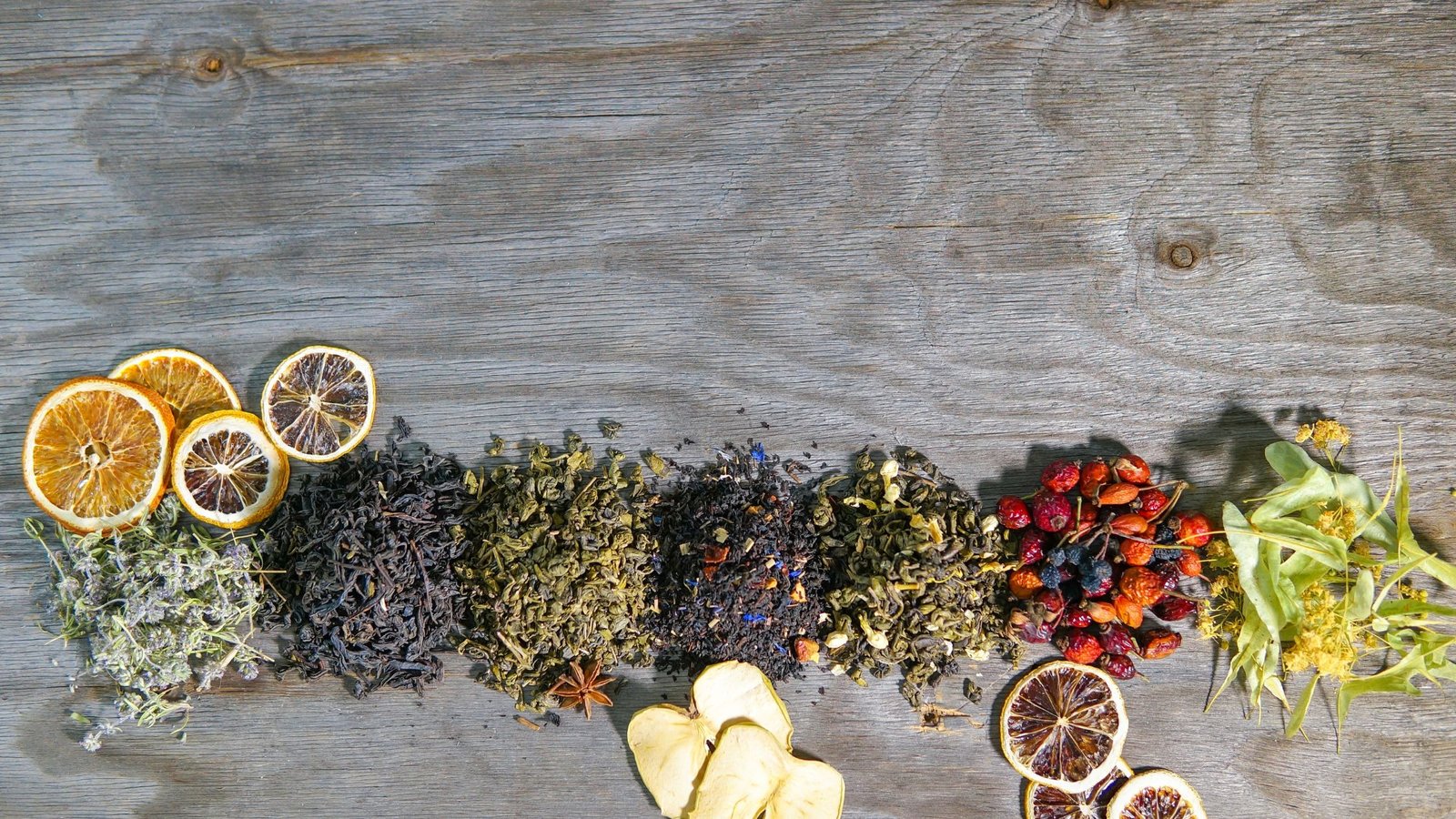
Tea is one of the world’s oldest and most beloved beverages, and for centuries, people have turned to it for comfort, conversation, and health benefits. Whether enjoyed alone in quiet reflection or shared during social gatherings, tea has always remained a global tradition.
Today, exploring the different types of tea reveals more than just flavor profiles. Each type tells a story of culture, processing methods, and wellness. From robust black teas to calming herbal blends, tea offers something for every mood, lifestyle, and season.
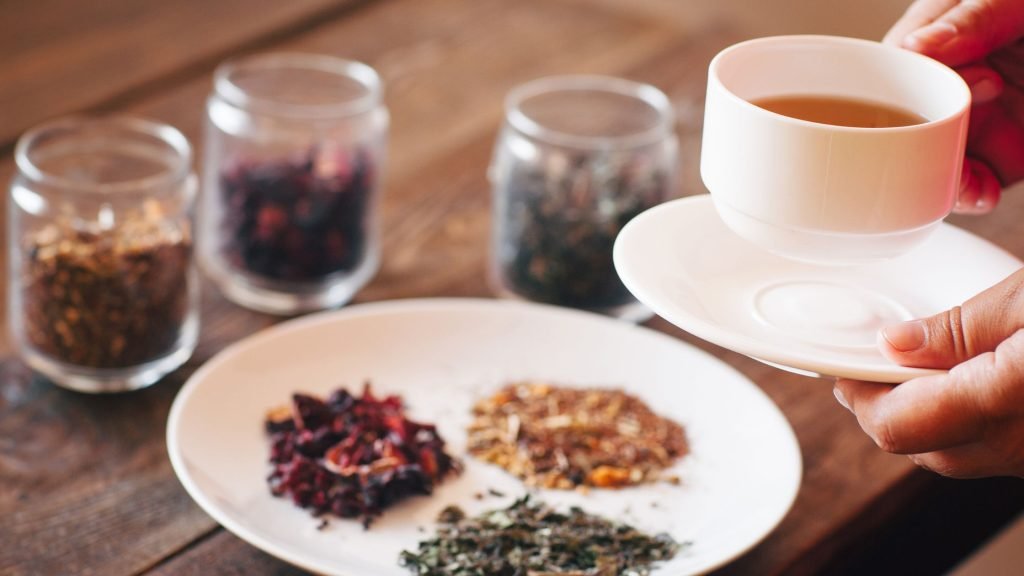
Tea’s roots go back over 5,000 years, originating in ancient China. According to legend, Emperor Shen Nong discovered tea when leaves accidentally fell into his boiling water. From that moment, tea became a symbol of wisdom, peace, and health across dynasties.
As it spread to Japan, India, Europe, and eventually the Americas, tea evolved into countless forms. Each region added its traditions, from Japanese matcha ceremonies to British afternoon tea. Today, consumers everywhere enjoy the different types of tea in both traditional and modern ways. Learn more about green tea.
Although thousands of tea varieties exist, all “true” teas come from the same plant: Camellia sinensis. The differences lie in how the leaves are harvested, oxidized, and processed. Let’s explore the most popular types:
Green tea undergoes minimal oxidation, which preserves its natural color and antioxidants. Its light, grassy flavor is ideal for those seeking subtlety and calm energy. Many drinkers enjoy green tea for its reputed metabolism-boosting and anti-inflammatory effects. Popular variants include sencha, matcha, and gunpowder.
Fully oxidized black tea offers a bold, malty flavor and a satisfying caffeine boost. Commonly consumed as part of morning routines, it also blends well with milk or spices. English Breakfast, Darjeeling, and Assam are just a few examples. Black tea is known for promoting alertness and supporting cardiovascular health.
White tea is the least processed of all true teas. Harvesters pick the young buds before they fully open, resulting in a soft, slightly sweet flavor. Despite its delicate taste, it contains potent antioxidants that support skin health and reduce signs of aging.
Oolong tea bridges the gap between green and black. Semi-oxidized and often rolled into tight curls or balls, oolong delivers a floral aroma with a hint of creaminess. It supports digestion, weight management, and even dental health due to its polyphenol content.
Herbal teas aren’t derived from Camellia sinensis, but they offer a wealth of benefits. Made from herbs, spices, flowers, or fruit, they are naturally caffeine-free and perfect for evening relaxation. Chamomile helps with sleep, peppermint soothes digestion, and hibiscus supports heart health.
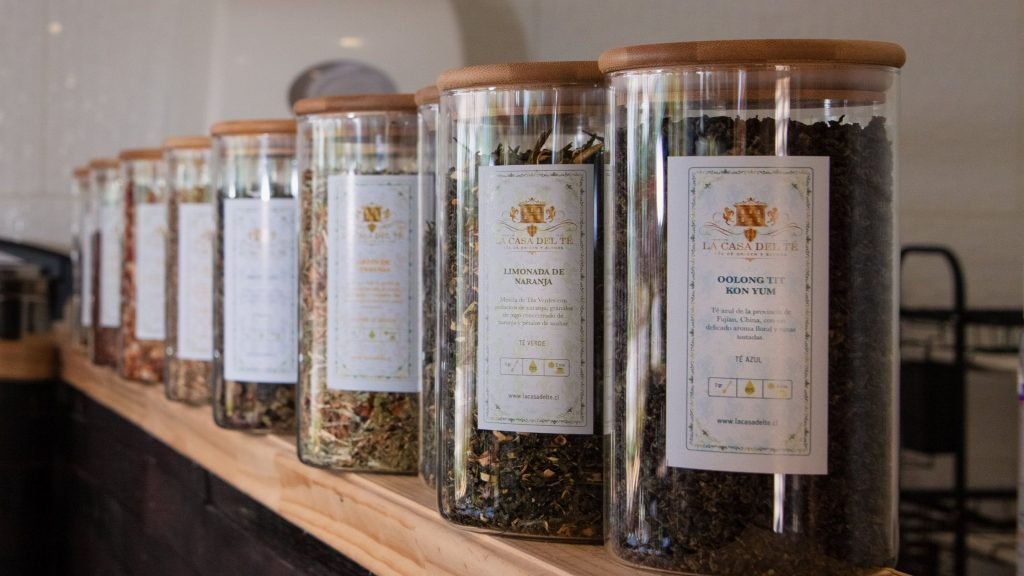
Enjoying a variety of teas offers a spectrum of wellness advantages. Here’s what you gain from making tea a daily ritual:
These health effects vary depending on the type and quality of tea—but when consumed consistently, they make a meaningful impact.
To fully enjoy the flavor and benefits of your tea, you must prepare it with care. Here are some brewing essentials:
Tea brewing is both an art and a science. Taking the time to brew it properly enhances the experience dramatically.
From energy-boosting green tea to calming herbal infusions, the different types of tea each offer their own unique story, taste, and health benefits. Whether you’re exploring exotic oolong or sticking with classic black tea, there’s always a reason to savor another cup.
For ethically sourced, premium-quality teas straight from African farmers, explore Farm Connect Africa—your trusted link to sustainable flavor and wellness.
1. Which type of tea has the most antioxidants?
Green and white teas are highest in antioxidants, particularly catechins and polyphenols, which help protect cells from damage.
2. Can tea help with weight loss?
Certain teas, especially green and oolong, can support metabolism and fat oxidation when combined with a balanced lifestyle.
3. Are herbal teas safe for everyone?
Most are safe, but pregnant women or those on medications should consult a doctor before consuming specific herbs.
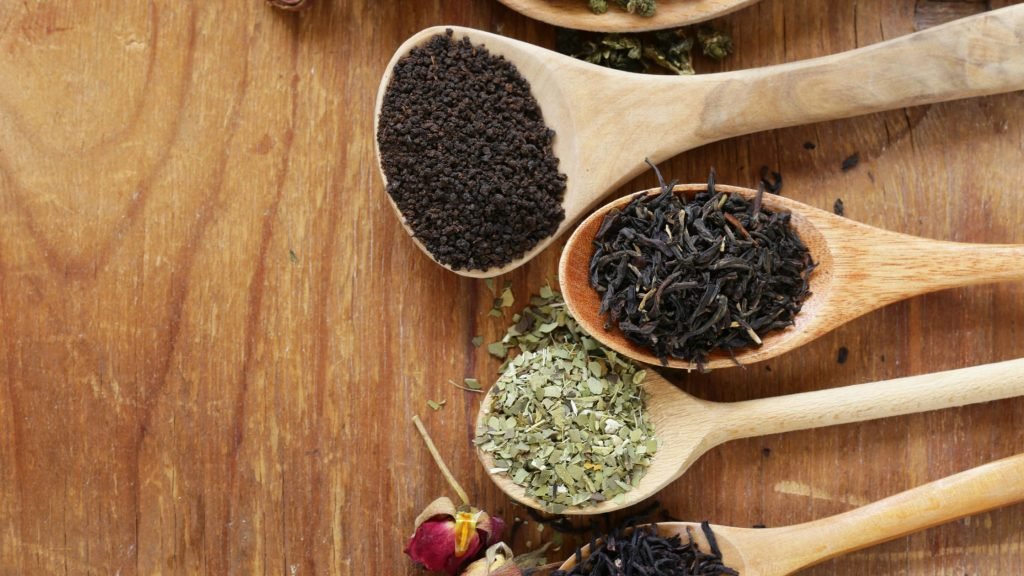
4. How long can I store tea?
Properly stored in an airtight container away from heat and moisture, tea stays fresh for up to 12–24 months, depending on the type.